







 BTO appearance
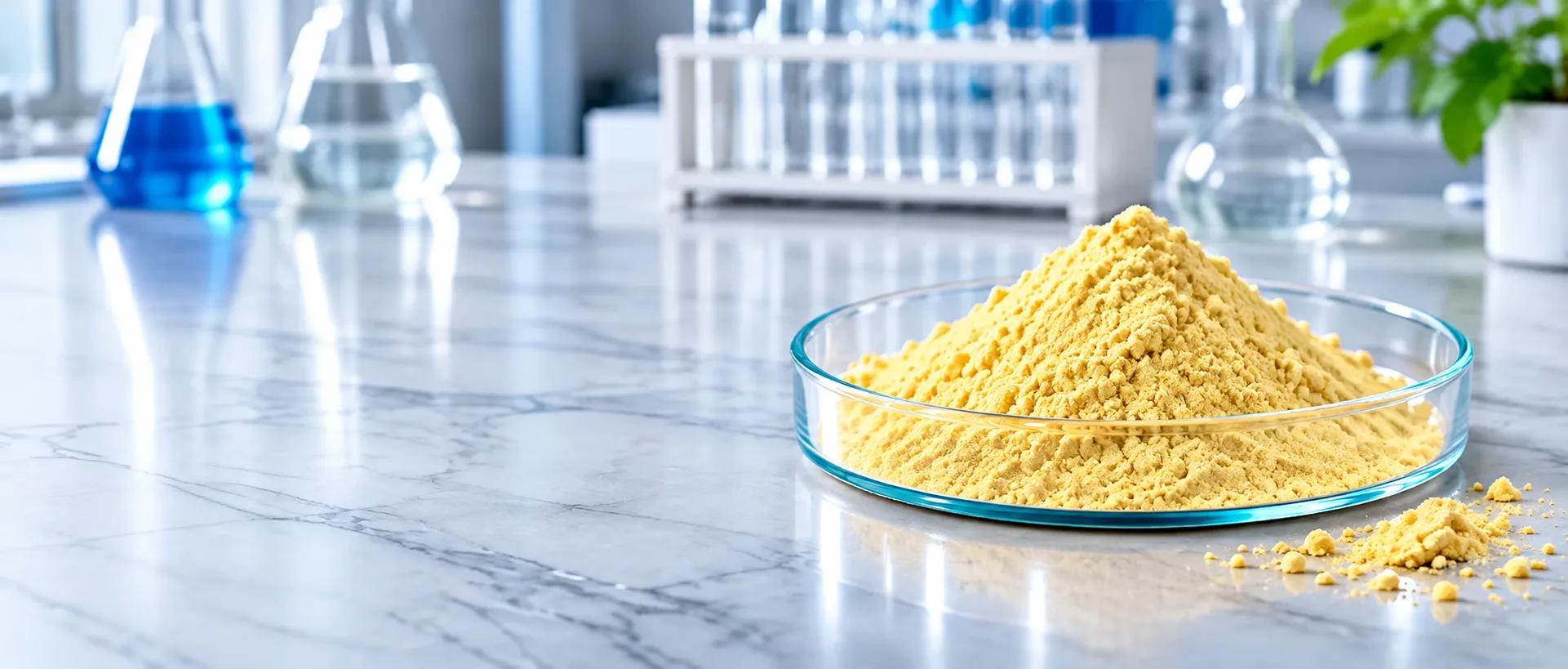
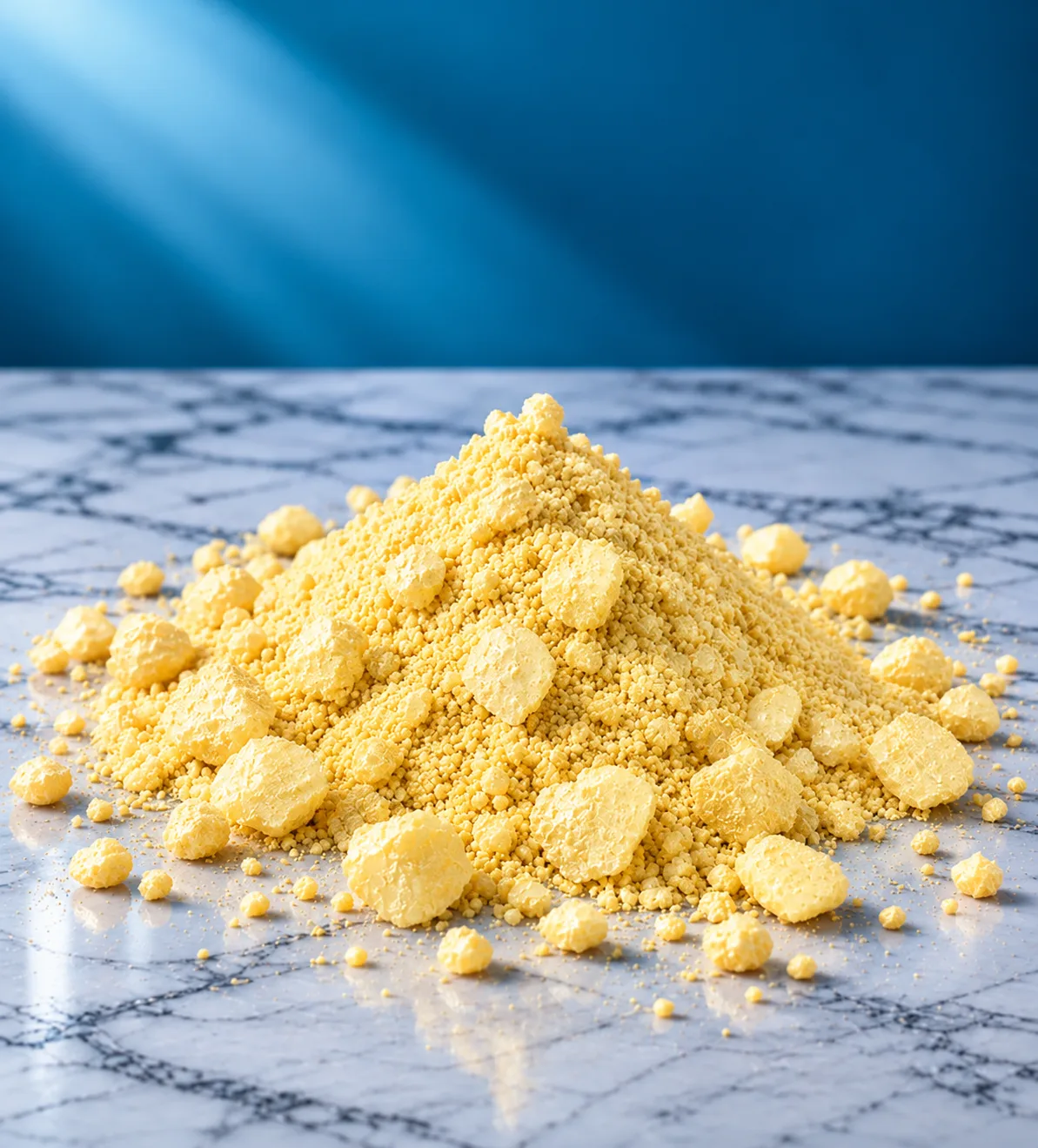
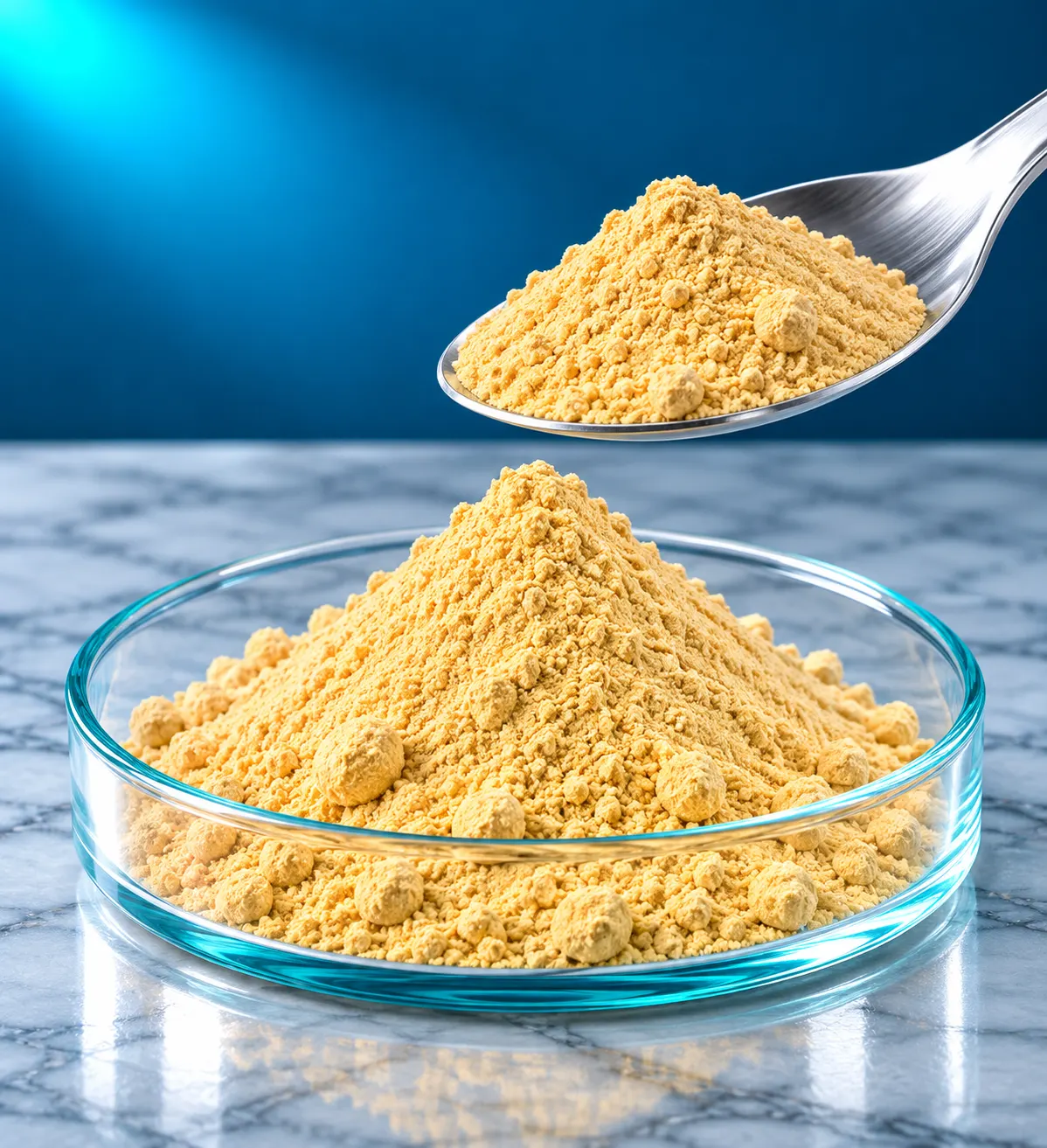
 YTO / WO₃ appearance
 Tungsten content (approx.)
 BTO stoichiometry (approx.)
 YTO stoichiometry
 Form
 Purity
Tungsten Trioxide
WO₃
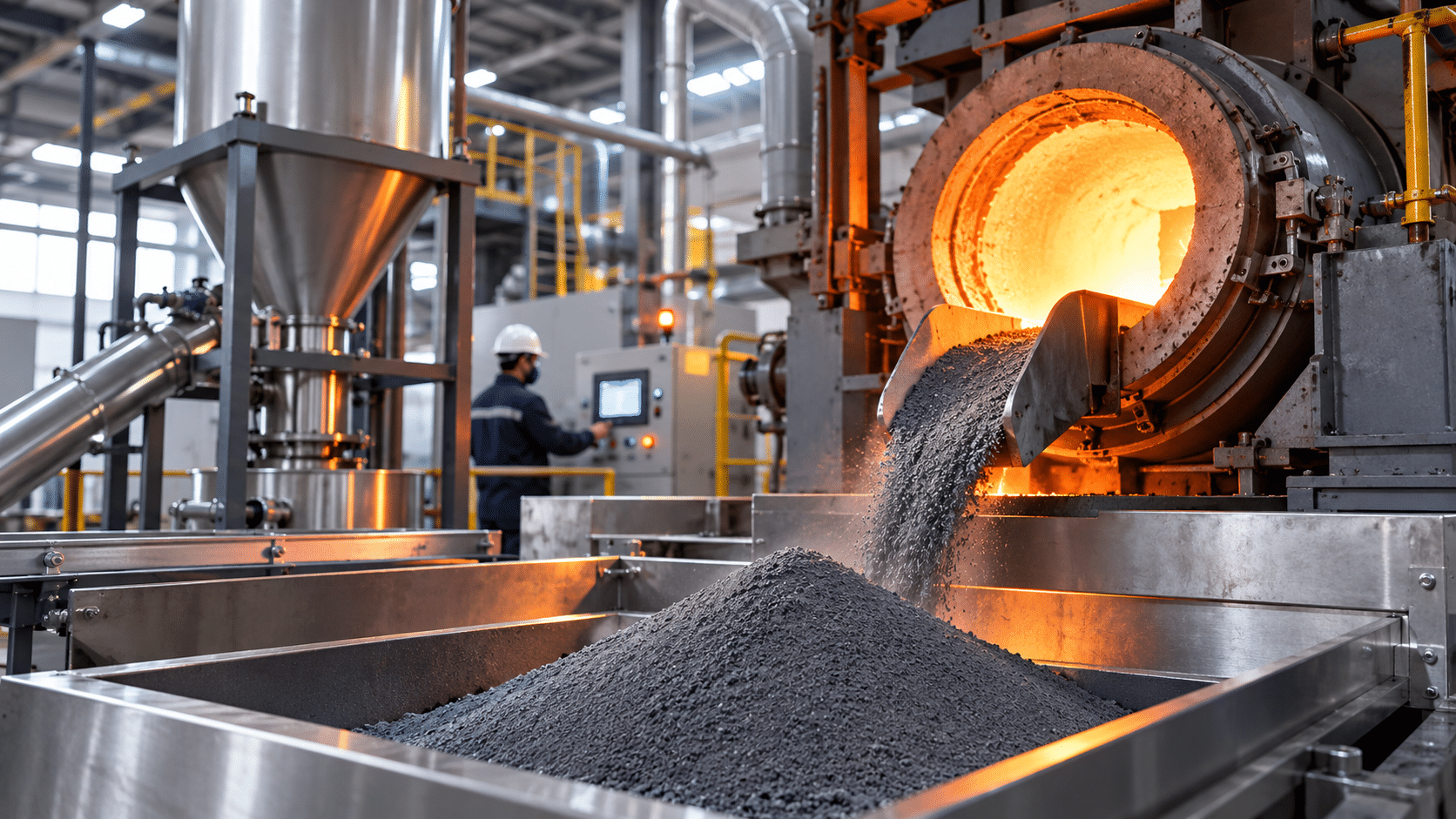
The calcination intermediates between APT and metal powder, supplied as blue sub-stoichiometric oxide or yellow stoichiometric WO₃ depending on your reduction route.
Request to Quote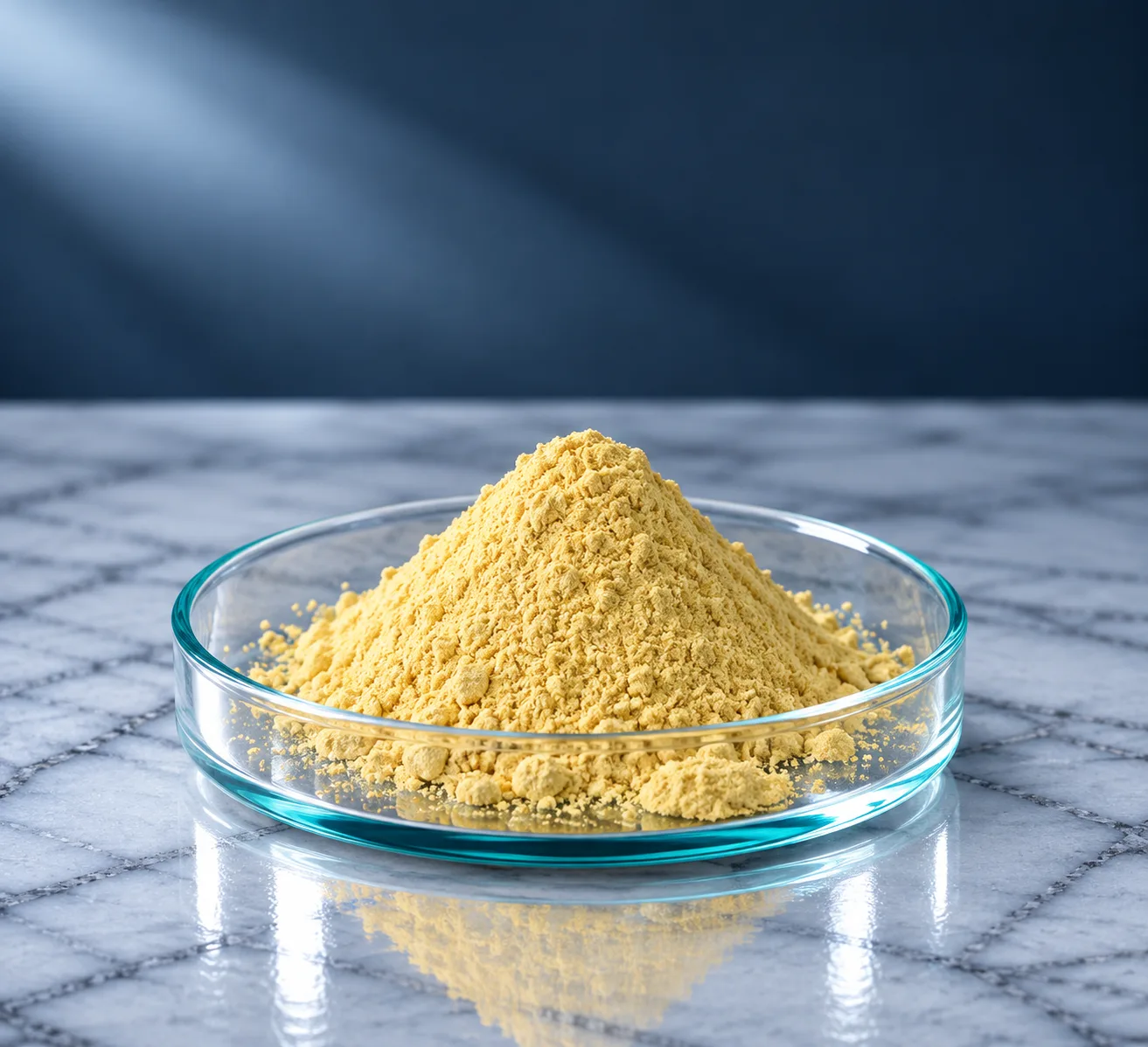
Tungsten Trioxide
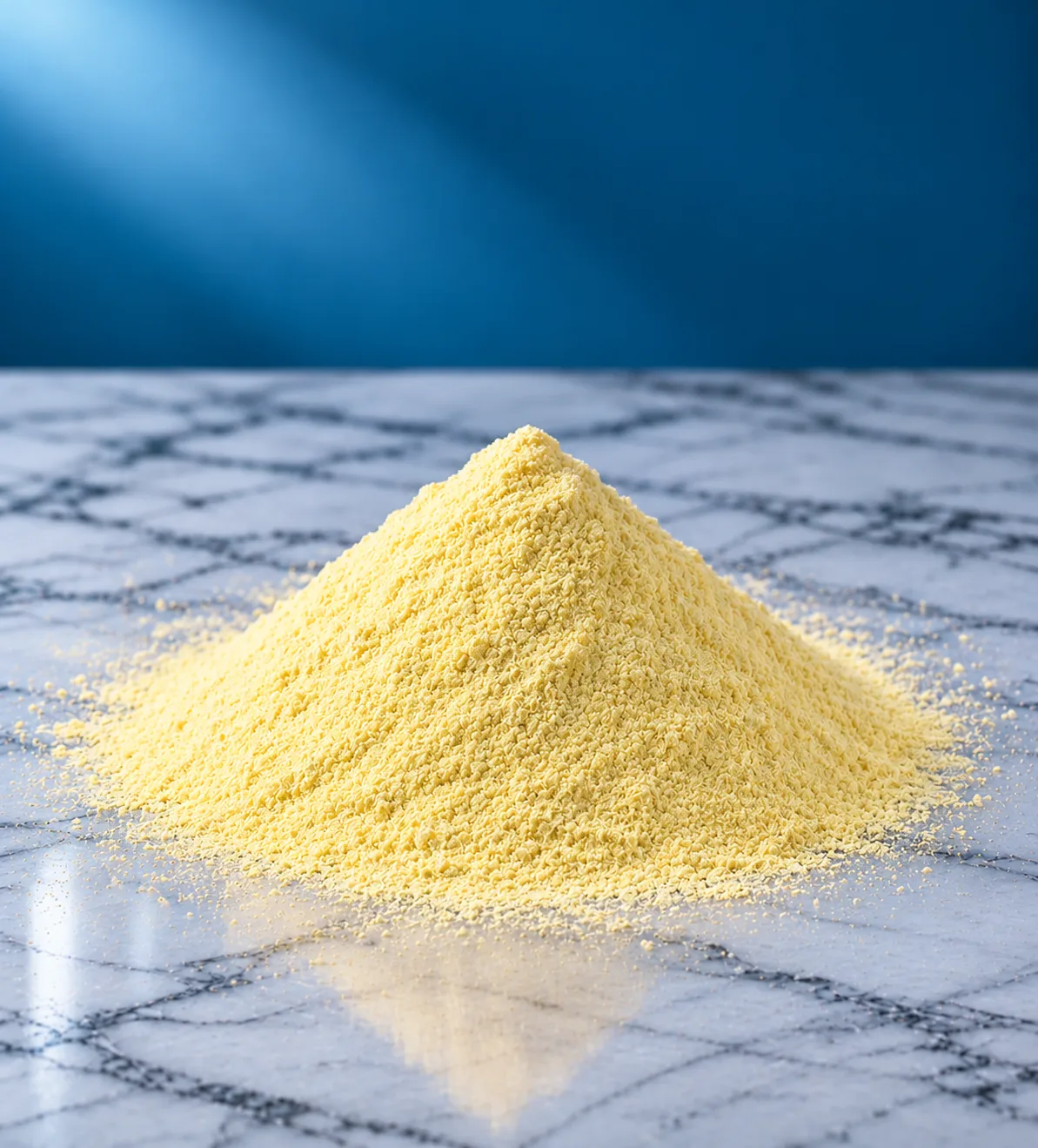
Blue and yellow tungsten oxide are the same element at two different oxidation states, and the choice between them is a process decision rather than a quality one. Yellow oxide (YTO) is stoichiometric WO₃, produced by calcining APT in air. Blue oxide (BTO) is the sub-stoichiometric form, approximately WO₂.₇₂ to WO₂.₉, produced by calcining under a reducing or oxygen-deficient atmosphere.
BTO is already partially reduced, so less hydrogen and less time are needed to take it to metal. It also tends to give a finer, more uniform metal powder because the partially reduced lattice nucleates differently. Producers targeting fine grain sizes generally prefer it, and accept that it is more reactive and less forgiving in storage.
YTO is the more stable material, easier to store and handle, and the usual choice for chemical and catalyst uses where the oxide is the product rather than an intermediate. Both grades run approximately 79% tungsten and are supplied as calcined oxide powder with purity stated per order.
 Specifications
Product Specifications
Our products are manufactured under strict quality control to ensure consistent purity and performance.
| BTO appearance | Blue-grey fine powder |
|---|---|
| YTO / WO₃ appearance | Yellow fine powder |
| Tungsten content (approx.) | ~79 % |
| BTO stoichiometry (approx.) | WO₂.₇₂ – WO₂.₉ |
| YTO stoichiometry | WO₃ |
| Form | Calcined oxide powder |
| Purity | Per order, stated on CoA |
Industries Served
Industries Served
Used across multiple industries for its excellent chemical properties and reliability.
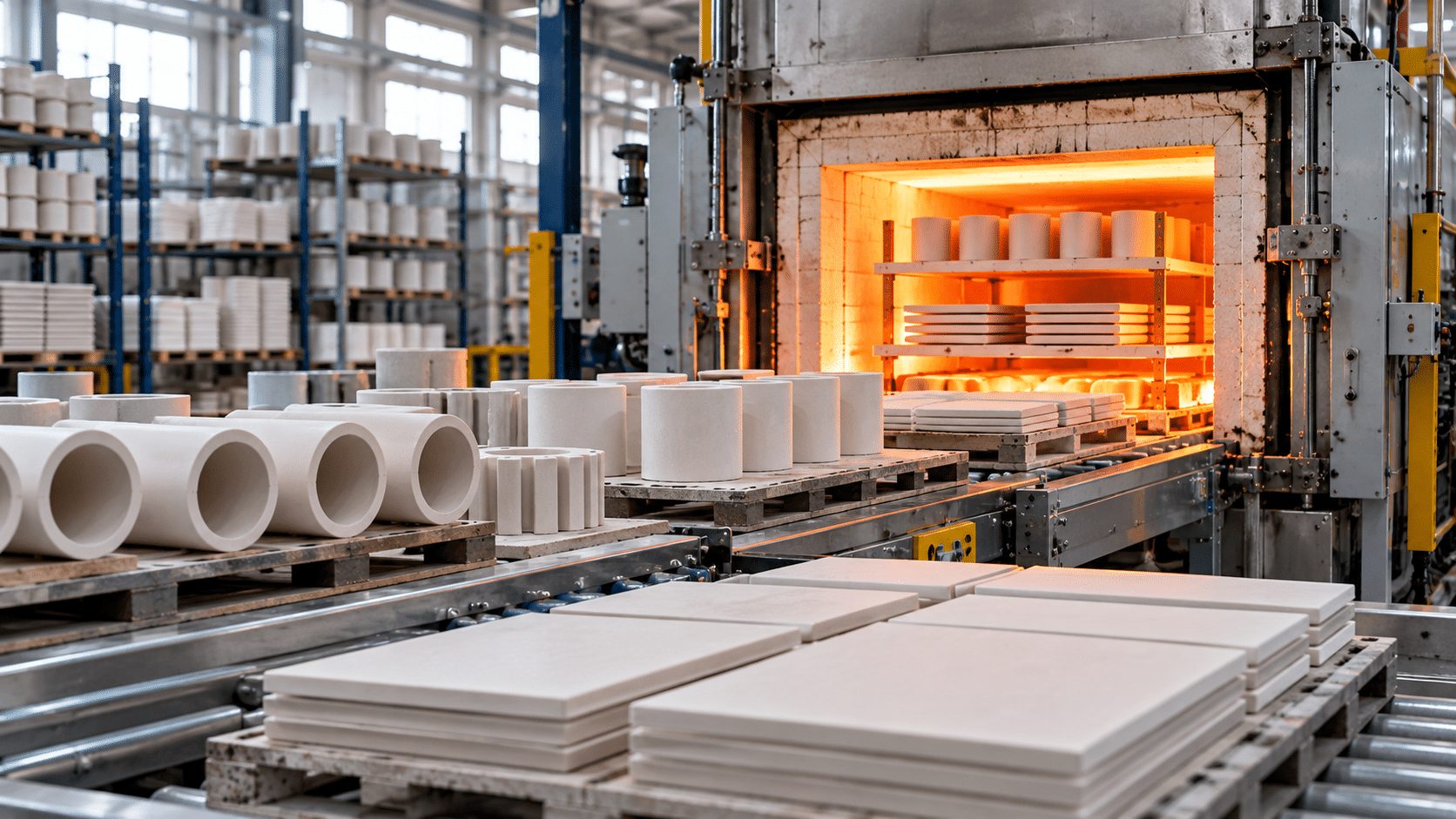
Ceramics & Advanced Materials
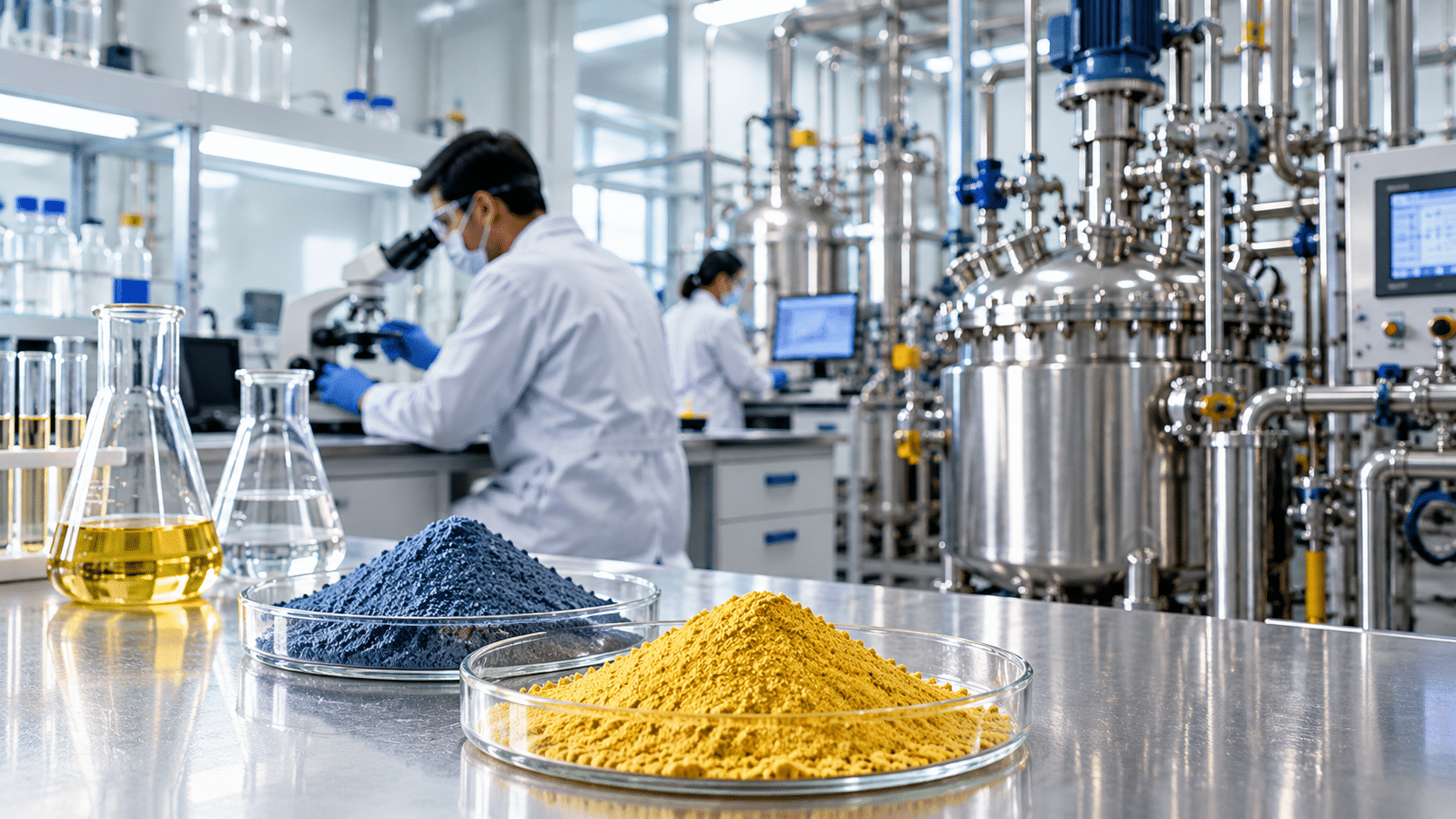
Chemical & Catalyst Industry
Packaging Options
Packaging
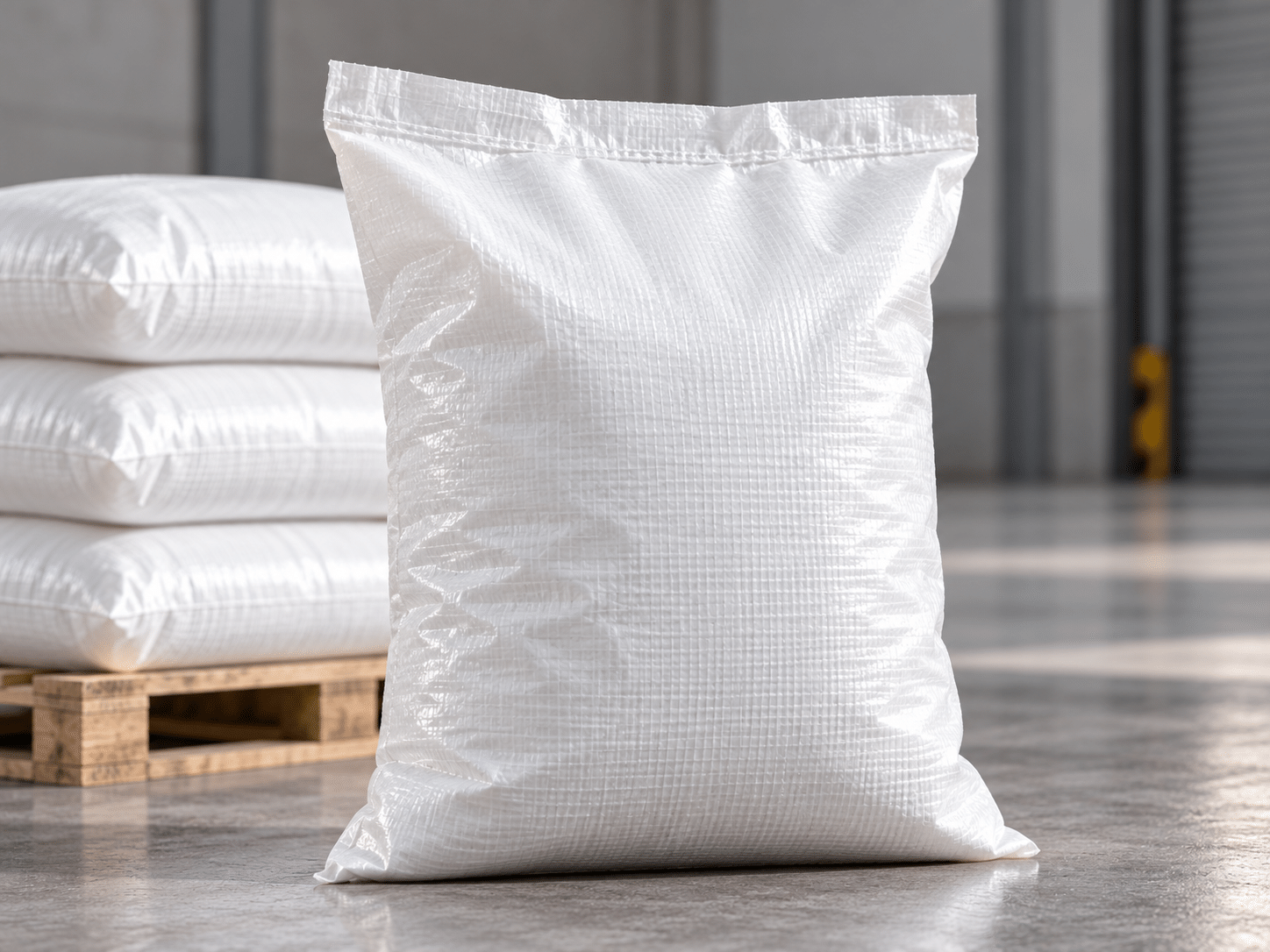
25 Kg HDPE Bags
Moisture-resistant HDPE bags with sealed inner liners to protect tungsten oxide powder during storage and transportation.
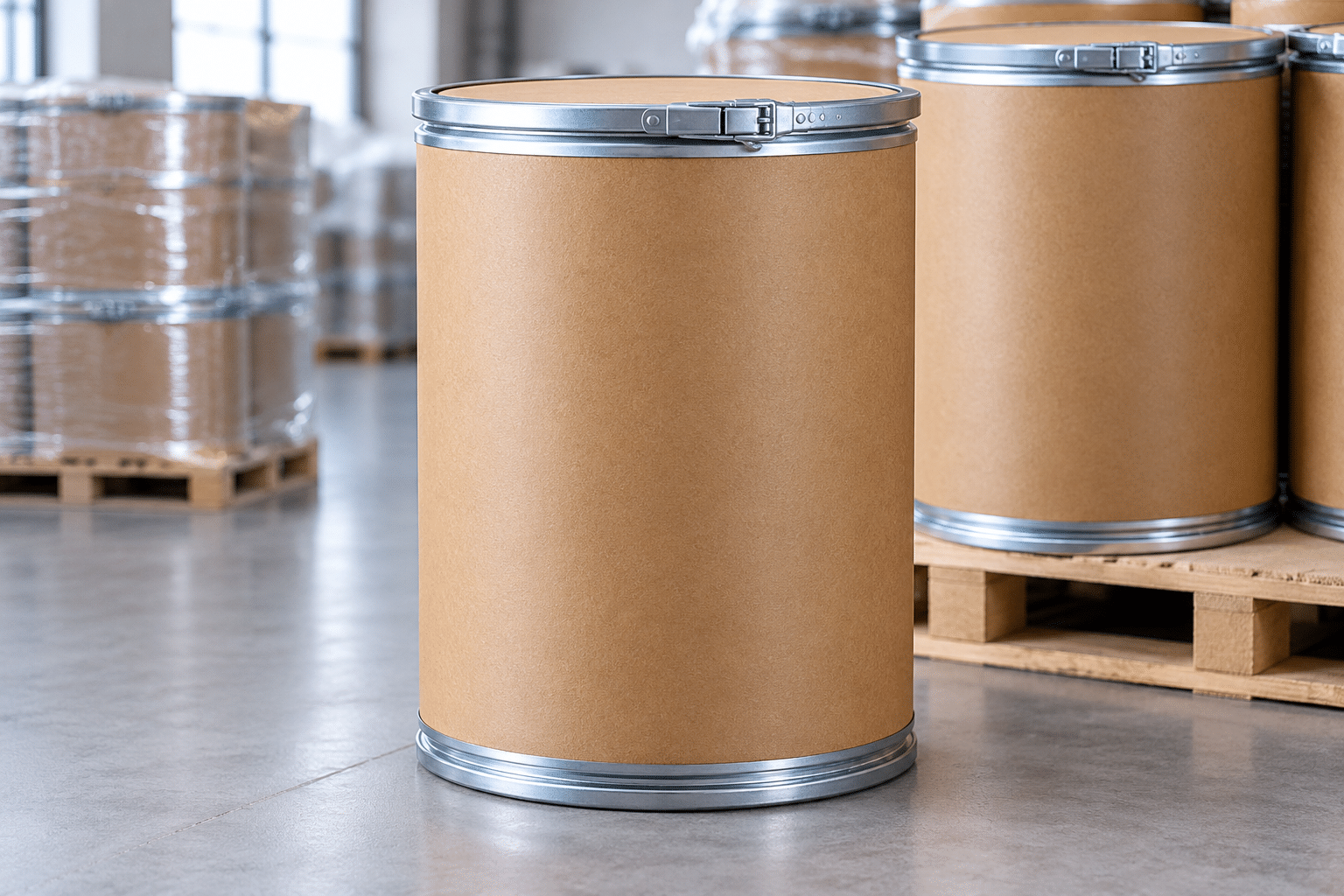
50 Kg Fiber Drums
Heavy-duty fiber drums with protective inner liners for secure handling and bulk transportation of tungsten oxide powder.
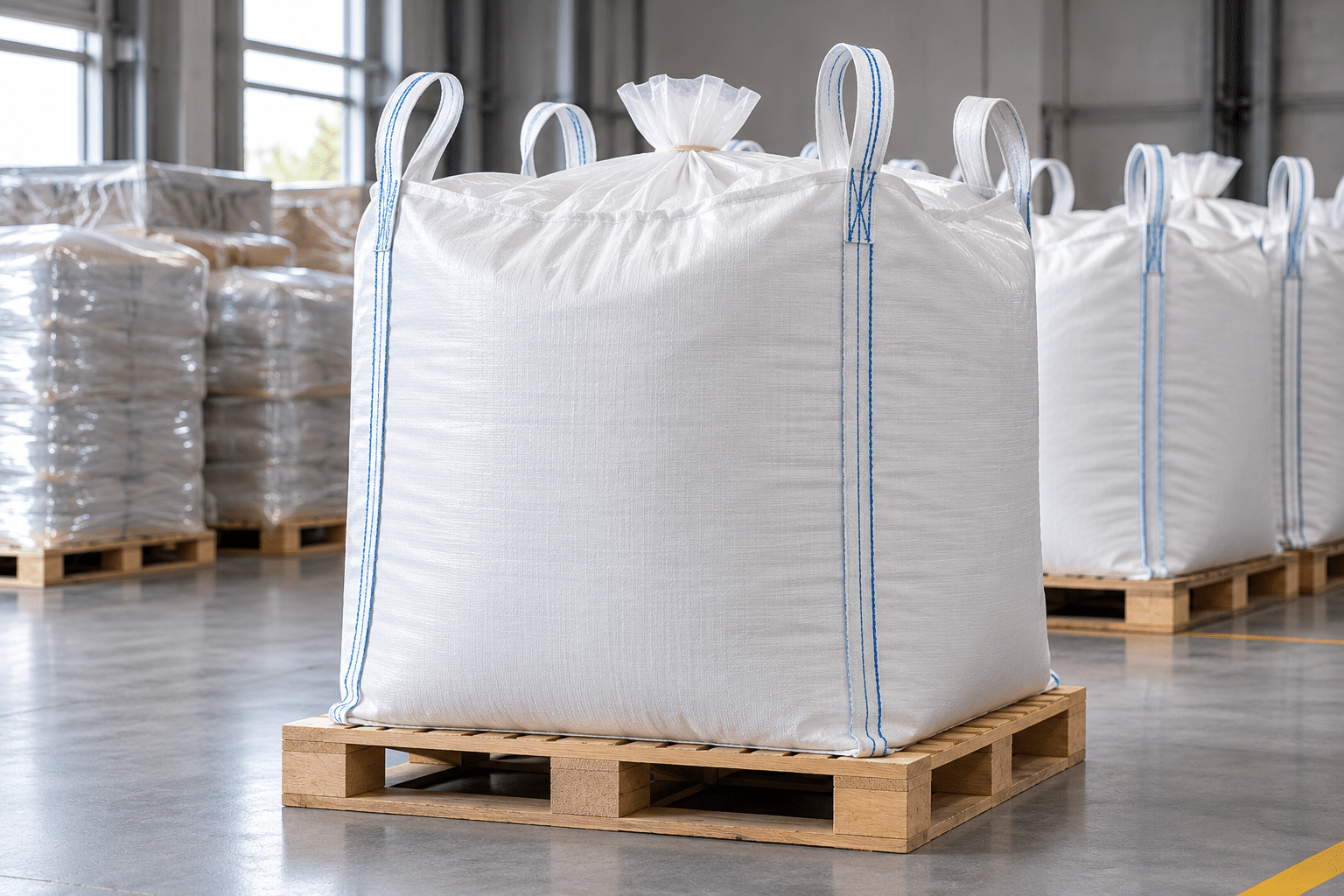
Customized Bulk Packaging
Flexible packaging solutions designed to meet specific industrial requirements, order quantities, and transportation needs.
FAQs
Tungsten oxide — frequently asked questions
What is the difference between blue and yellow tungsten oxide?
Yellow oxide is stoichiometric WO₃, calcined from APT in air. Blue oxide is sub-stoichiometric, roughly WO₂.₇₂ to WO₂.₉, calcined under a reducing or oxygen-deficient atmosphere. Blue is already partially reduced; yellow is more stable in storage.
Which should I use for making tungsten metal powder?
Blue oxide, in most cases. Being partially reduced it needs less hydrogen and less time to reach metal, and it tends to give a finer, more uniform powder. Yellow oxide is the choice where storage stability outweighs reduction cycle time.
What tungsten content do the oxides carry?
Approximately 79% tungsten for both grades. Purity is set per order and stated on the certificate of analysis.
Can you supply oxide for catalyst applications?
Yes. Yellow oxide is normally specified for catalyst precursor work because of its defined stoichiometry and storage stability. Share your purity requirement and we will confirm against it before quoting.