







 Formula
 Molecular weight
 Assay, min.
 Appearance
 Solubility
 WO₃ content (calculated)
Sodium Tungstate
Na₂WO₄·2H₂O
Water-soluble tungsten chemistry at assay ≥ 99%, for pigments, corrosion inhibitors, flame retardants and catalyst preparation.
Request to Quote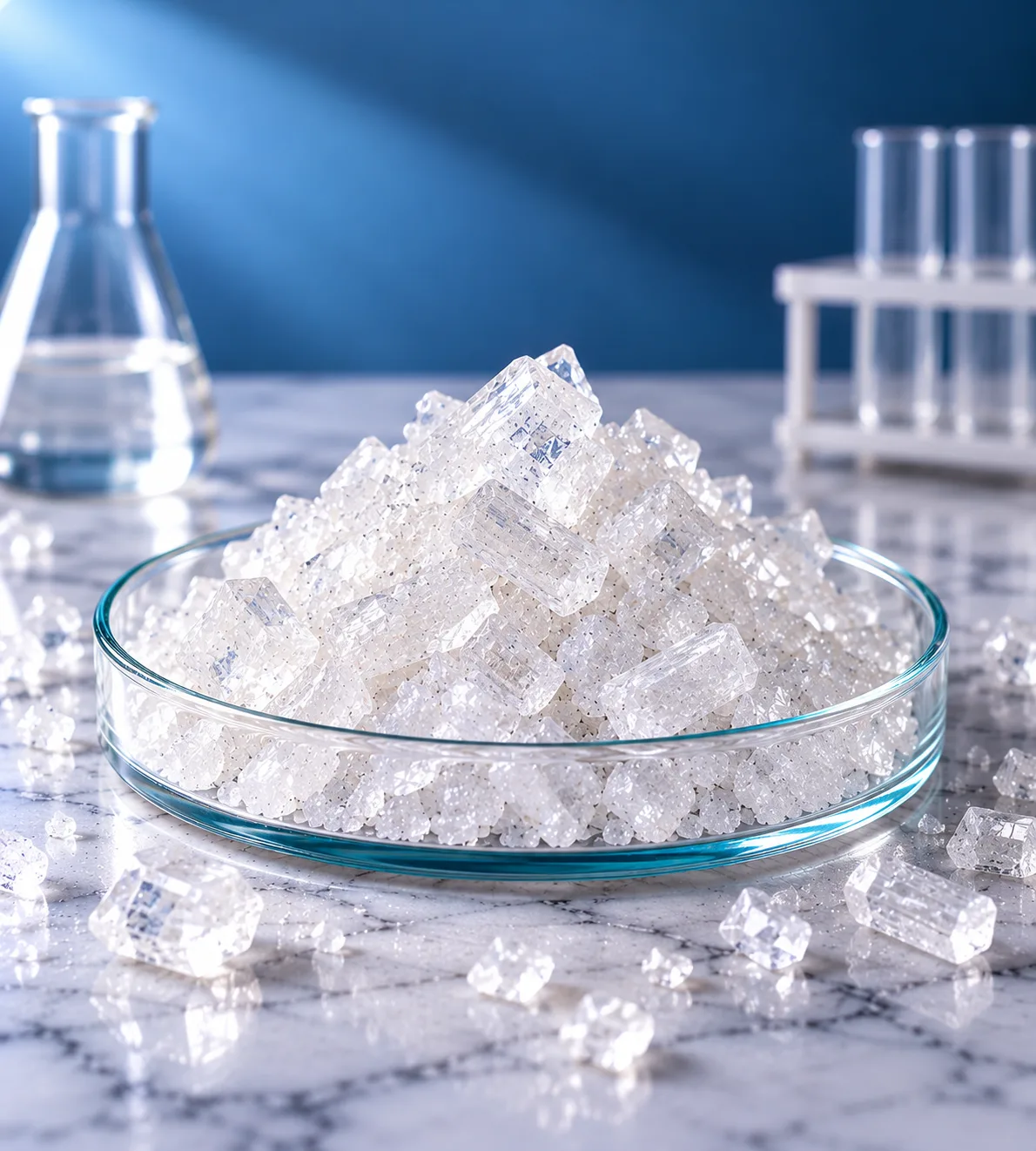
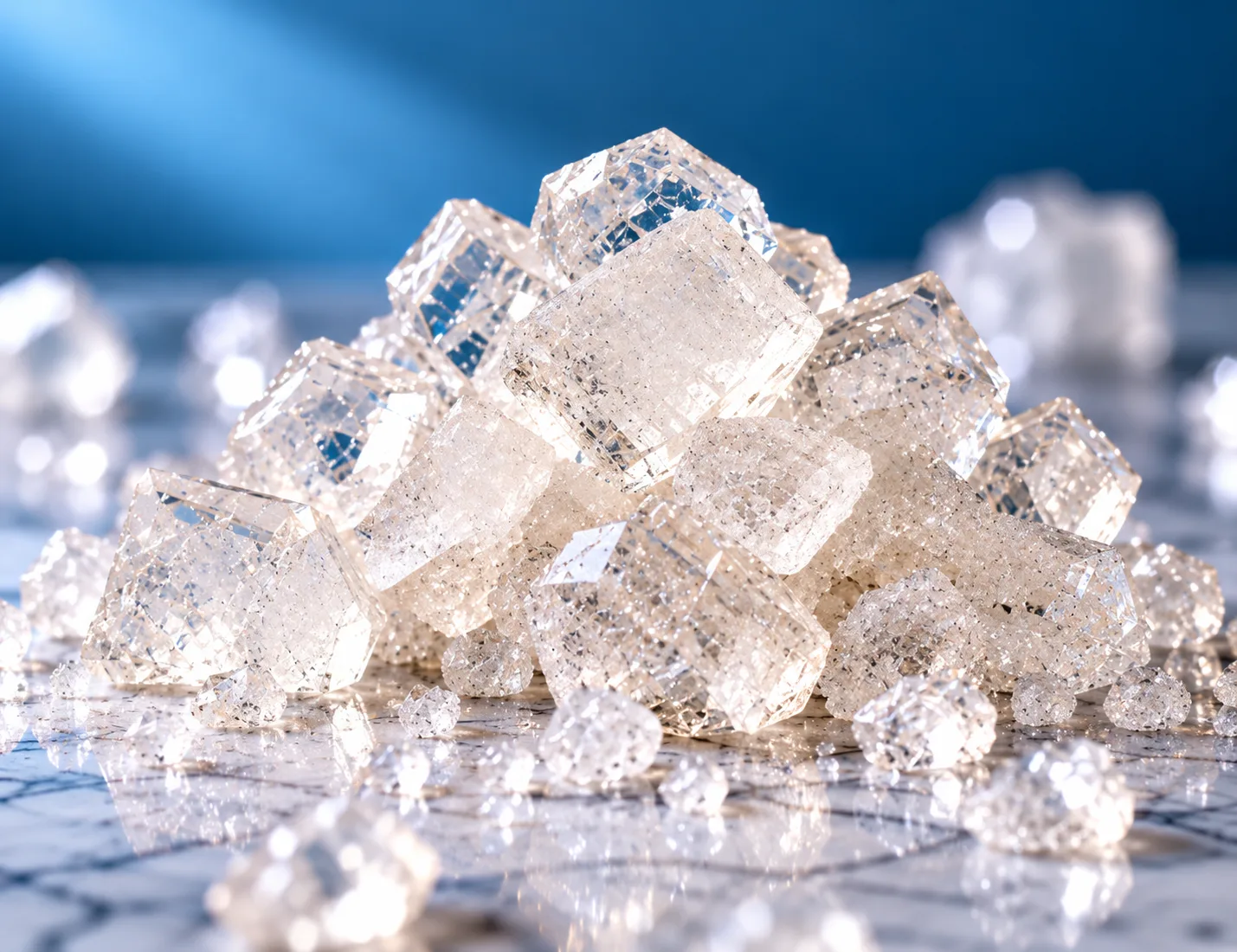
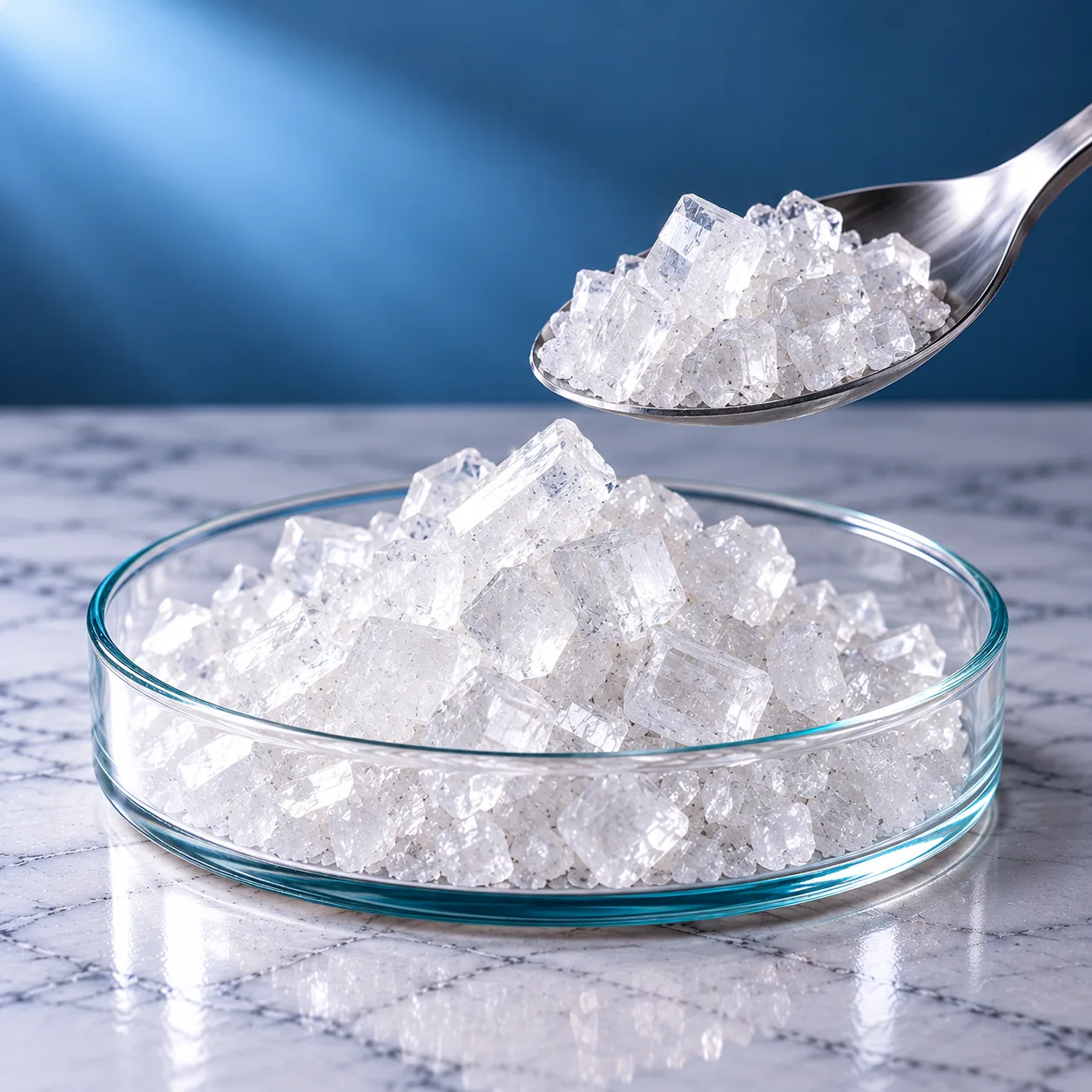
Sodium Tungstate
Sodium tungstate dihydrate is the water-soluble entry point to tungsten chemistry. Where metal powder and carbide are used for their physical properties, sodium tungstate is used for what tungsten does in solution — which makes it the natural precursor wherever tungsten has to be introduced to a wet process.
It appears industrially as an intermediate in tungsten refining, since digesting concentrate produces sodium tungstate liquor before APT is crystallised from it. Sold as a product, it is the precursor for tungstate pigments, the active component of tungstate corrosion inhibitors, and the tungsten source in a range of catalyst preparations.
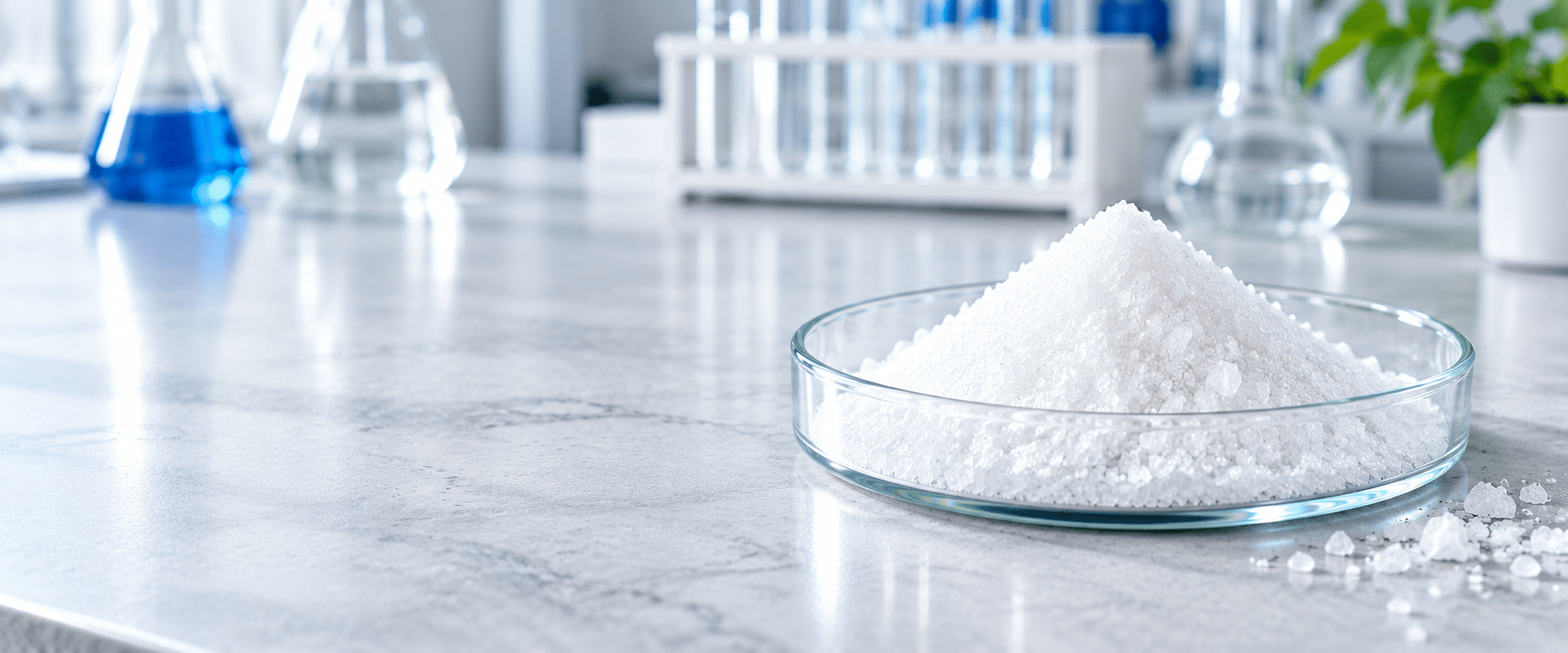
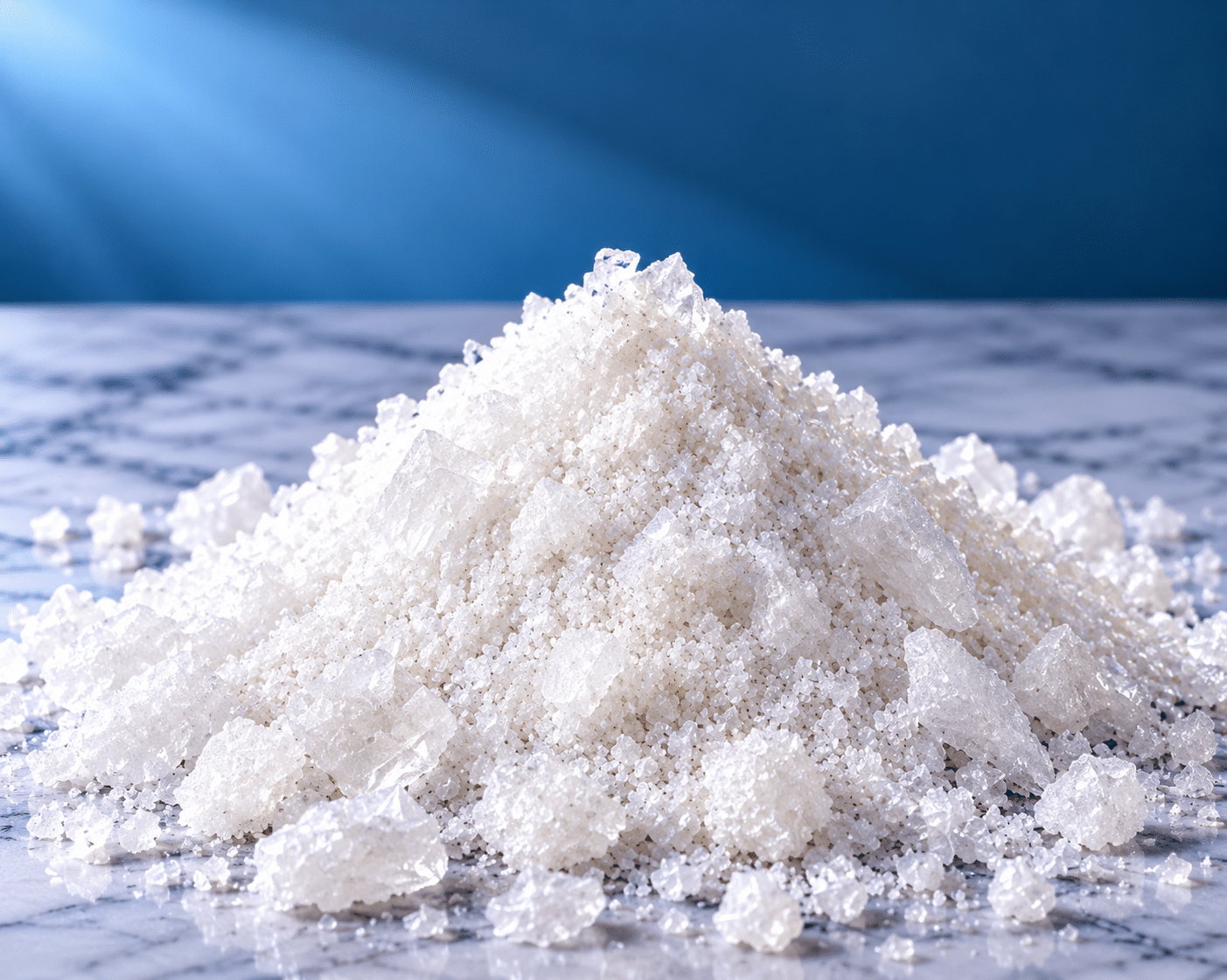
We supply it at assay min. 99% on an anhydrous basis, as a white crystalline powder freely soluble in water, with a calculated WO₃ content of approximately 71.8% and molecular weight 329.86 g/mol.
 Specifications
Product Specifications
Our products are manufactured under strict quality control to ensure consistent purity and performance.
| Formula | Na₂WO₄·2H₂O |
|---|---|
| Molecular weight | 329.86 g/mol |
| Assay, min. | ≥ 99 % (anhydrous basis) |
| Appearance | White crystalline powder |
| Solubility | Freely soluble in water |
| WO₃ content (calculated) | ~71.8 % |
Industries Served
Industries Served
Used across multiple industries for its excellent chemical properties and reliability.
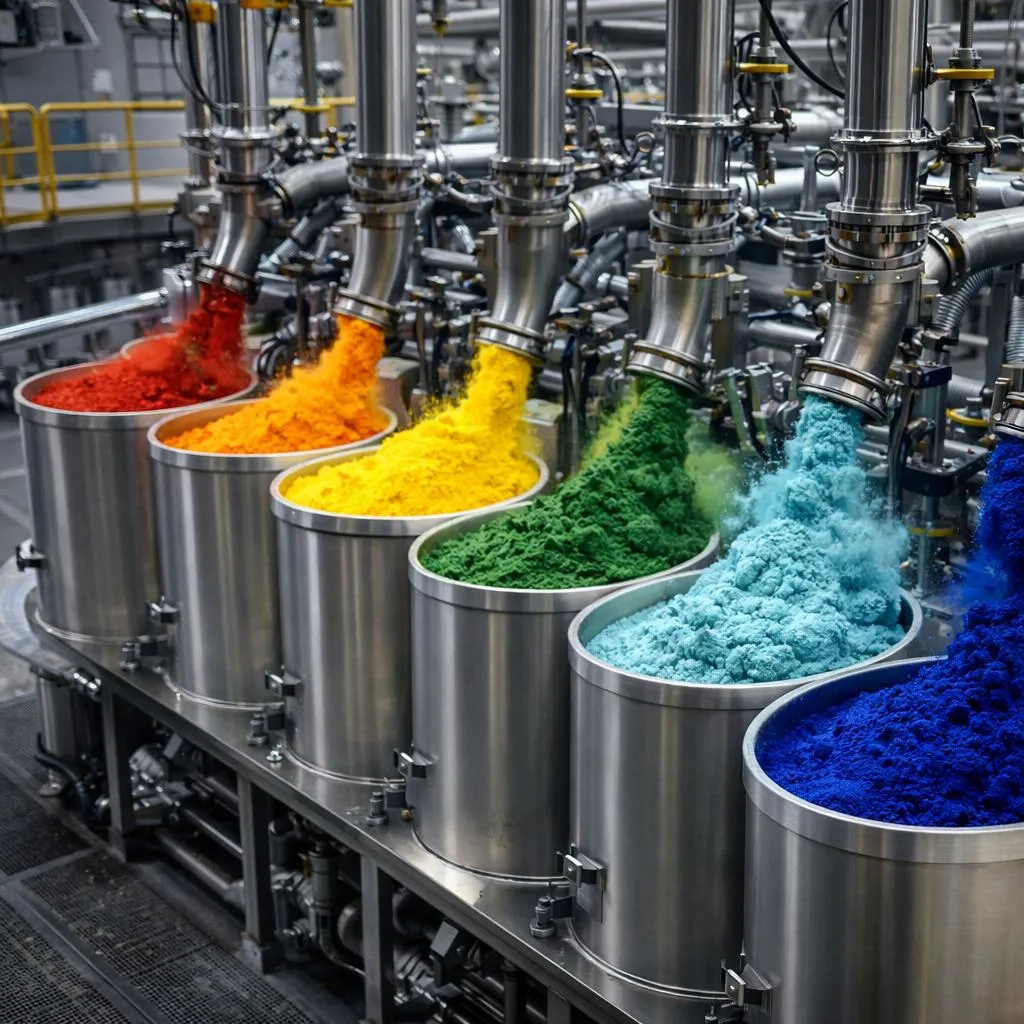
Pigments & Dyes

Flame Retardants
Packaging Options
Packaging
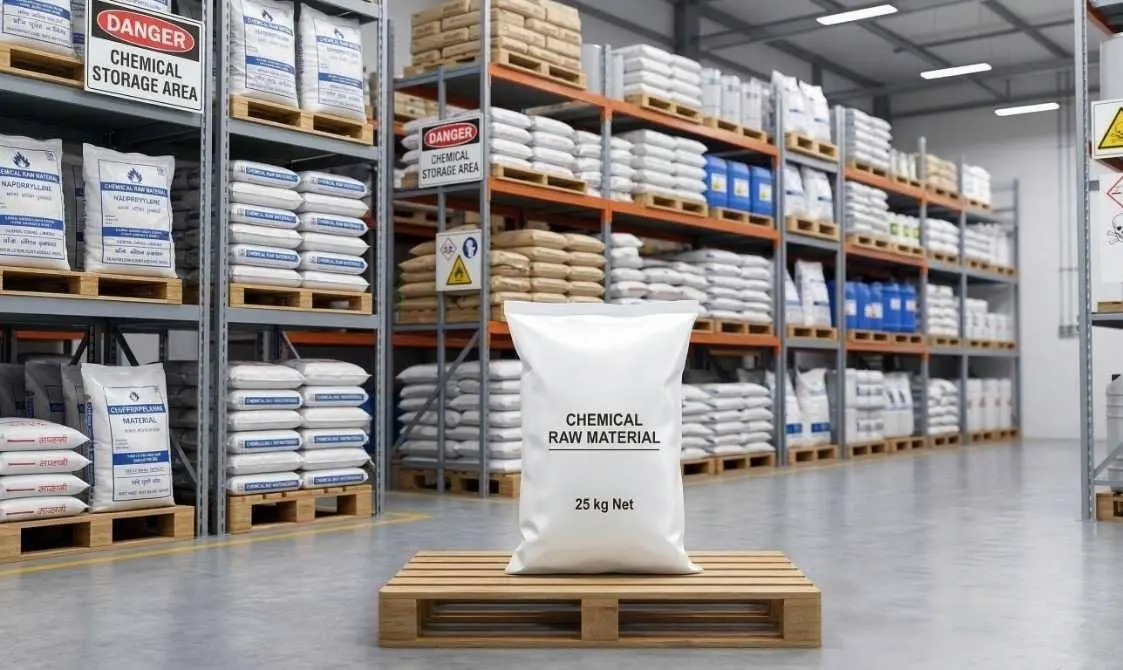
25/50 Kg Bags
Multi-layer HDPE or PP bags with moisture-resistant inner liners for safe storage and transportation.
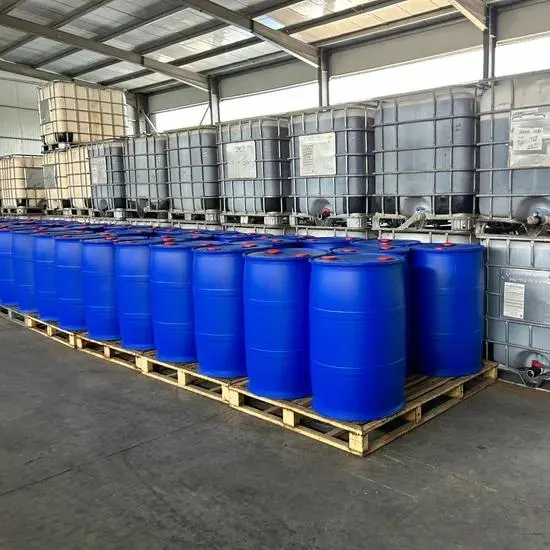
HDPE Drums
Sealed HDPE drums with protective inner liners for secure handling and moisture protection.
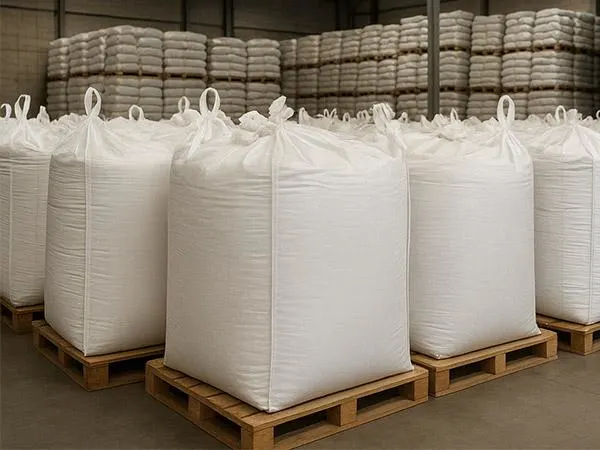
Jumbo Bags (FIBC)
Heavy-duty bulk bags with moisture-resistant liners for large-scale industrial shipments.
FAQs
Sodium tungstate — frequently asked questions
What assay do you supply?
Minimum 99% on an anhydrous basis, with a calculated WO₃ content of approximately 71.8%. The full composition table is stated on the certificate of analysis.
Is it the dihydrate or the anhydrous salt?
We supply the dihydrate, Na₂WO₄·2H₂O, molecular weight 329.86 g/mol. Assay is quoted on an anhydrous basis, which is the normal convention.
How should it be stored?
Dry and sealed. The dihydrate is hygroscopic in humid conditions, and picked-up moisture shifts the effective assay of what you weigh out.
Can you meet specific trace metal limits?
Often, yes — but tell us the limits before ordering rather than after. Catalyst applications in particular are sensitive to trace metals at concentrations far below the bulk assay tolerance, and we would rather confirm against your list up front than have a lot rejected.
Do you provide composition data for REACH or SDS obligations?
Yes. A full composition table accompanies each shipment on the certificate of analysis, which supports safety data sheet obligations and incoming-material qualification for chemical imports.